

toughened glass roof panels
Understanding the Price of Thread Plug Gauges Thread plug gauges are essential tools used in manufacturing and quality control to ensure that threaded holes meet specific tolerances and standards. They play a crucial role in various industries, including automotive, aerospace, and precision engineering. As with any industrial tool, the price of thread plug gauges can vary significantly based on several factors. This article delves into the aspects that influence the price of thread plug gauges and how to choose the right one for your needs. Factors Influencing the Price 1. Material Composition The materials used in the manufacturing of thread plug gauges greatly affect their prices. High-quality gauges are typically made from hardened steel or carbide to ensure durability and resistance to wear and tear. The higher the quality of the material, the more expensive the gauge will be. For specialized applications, gauges might be made from even more exotic materials, further increasing costs. 2. Precision and Tolerance Standards Thread plug gauges must adhere to specific tolerance and precision standards, such as ISO, ANSI, or JIS specifications. The higher the precision required, the more complex the manufacturing process becomes, which contributes to the final cost. For example, a gauge designed for critical applications in the aerospace industry will be priced higher than one used for less critical operations. 3. Manufacturing Processes The method used to produce thread plug gauges can also impact pricing. Processes such as CNC machining, heat treatment, and surface finishing require advanced technology and skilled labor, leading to higher costs. In contrast, gauges produced using less sophisticated methods may come with a lower price tag but could compromise on quality and accuracy. 4. Size and Customization The size of the gauge plays a significant role in determining its price. Standard sizes are generally less expensive due to economies of scale in production. However, custom gauges, tailored for specific applications or unique dimensions, can significantly increase costs due to the need for specialized manufacturing processes. 5. Brand Reputation Established brands with a reputation for quality and precision may charge more for their thread plug gauges. While choosing a reputable brand may cost more upfront, it can lead to long-term savings through reduced replacement rates and increased accuracy, ultimately minimizing production errors. 6. Market Demand and Supply Like any other product, the law of supply and demand affects the pricing of thread plug gauges. Recessions or booms in the manufacturing sector can lead to fluctuations in gauge availability and, consequently, their prices. Keeping an eye on market trends can help one anticipate price changes and plan purchases accordingly. thread plug gauge price Making the Right Choice When selecting thread plug gauges, it is essential to balance quality with cost . Here are some tips to consider - Evaluate Requirements Determine the specific standards and tolerances necessary for your application. This will help you identify which gauges meet your needs without overspending on unnecessary features. - Invest in Quality While it may be tempting to choose cheaper options, investing in high-quality gauges can pay off in the long run through reduced error rates and increased lifespan. - Compare Suppliers Research multiple suppliers and compare prices, taking into account factors such as delivery times and after-sales support. A slightly higher price from a reputable supplier may offer better value than a low-cost option from an unknown source. - Consider Bulk Purchases If your operations require multiple gauges, consider bulk purchasing. Many suppliers offer discounts for larger orders, which can lead to significant cost savings. Conclusion The price of thread plug gauges is influenced by various factors, including materials, manufacturing processes, and market conditions. By understanding these elements and carefully evaluating your specific needs, you can make informed decisions that ensure you acquire the right tools for your operations without overspending. Investing in high-quality thread plug gauges ultimately contributes to the precision and efficiency of your manufacturing processes, proving beneficial in the long run.
about
toughened glass roof panels
Understanding Round Taper Gauges A Comprehensive Overview Round taper gauges are specialized measuring instruments that play a vital role in various industries, particularly in engineering, manufacturing, and quality control. Their distinctive shape and design make them an essential tool for assessing dimensions and tolerances in both production and machining processes. This article delves into the functionality, application, and significance of round taper gauges. What is a Round Taper Gauge? A round taper gauge is characterized by its conical shape, tapering down to a point, which allows it to measure the depth of holes, grooves, and other recessed features. Typically made from high-quality tool steel or stainless steel, these gauges are designed to provide accurate measurements while maintaining durability under various environmental conditions. The tapering allows for easy insertion into narrow spaces, making it ideal for applications where traditional measuring tools may not fit. Importance of Taper Gauges Precision is crucial in manufacturing and engineering; even minuscule discrepancies can lead to significant issues in product performance and quality. Round taper gauges help ensure that parts fit together correctly, thereby minimizing errors in assembly and preventing malfunction. By providing a quick and straightforward method to measure tapers and angles, these gauges serve as a first line of quality assurance in production processes. Applications of Round Taper Gauges Round taper gauges find numerous applications across different fields, including 1. Machining In machining environments, these gauges help check the depth of drilled holes and verify that components have been manufactured to the correct specifications. 2. Quality Control Quality assurance teams often use round taper gauges to confirm that parts meet dimensional tolerances before they are approved for assembly or shipment. 3. Metalworking In metalworking, especially in fabricating complex components, these gauges ensure the necessary precision in fit and assembly, often used alongside other measuring tools. 4. Woodworking Woodworkers utilize round taper gauges to ensure precise fitting of joints and to create consistent angles during crafting, leading to finely finished products . round taper gauge 5. Automotive and Aerospace Industries These sectors demand the utmost precision, and round taper gauges are indispensable in checking the quality of parts such as engine components and airframe sections. How to Use a Round Taper Gauge Using a round taper gauge involves a straightforward process - Preparation Ensure that the gauge is clean and free from debris. This step is crucial to prevent any interference with the measurement. - Insertion Gently insert the gauge into the feature being measured, ensuring it fits snugly but not too tightly. - Reading Measurements Depending on the design, many taper gauges have markings or notches that indicate specific dimensions. Read the measurement at the point where the gauge fits best inside the feature. - Recording Data Document the measured values for quality control records and future reference. Advantages of Round Taper Gauges One of the primary advantages of round taper gauges is their ease of use. Operators can quickly assess dimensions without elaborate setup procedures. Moreover, their robust construction offers longevity, even under harsh operating conditions. The ability to carry out measurements rapidly contributes to enhanced productivity, making these tools invaluable in fast-paced industries. Conclusion In summary, round taper gauges are critical instruments in ensuring the precision and quality of manufactured components. Their unique design, coupled with their straightforward use, has made them indispensable tools across various industries. As technology evolves, the demand for accurate measurement will only increase, further solidifying the role of round taper gauges in maintaining high standards of quality and performance in engineering and manufacturing processes. Whether in woodworking, metal fabrication, or aerospace, these gauges are a testament to the meticulous attention to detail necessary in today's precision-driven world.
-

High quality industrial productsagement

High quality industrial products
View Details -

Meet the diverse needs of customers

Meet the diverse needs of customers
View Details -

Strict quality control

Strict quality control
View Details -

Top raw materials

Top raw materials
View Details -

Trusted supplier

Trusted supplier
View Details
Our application

news and information
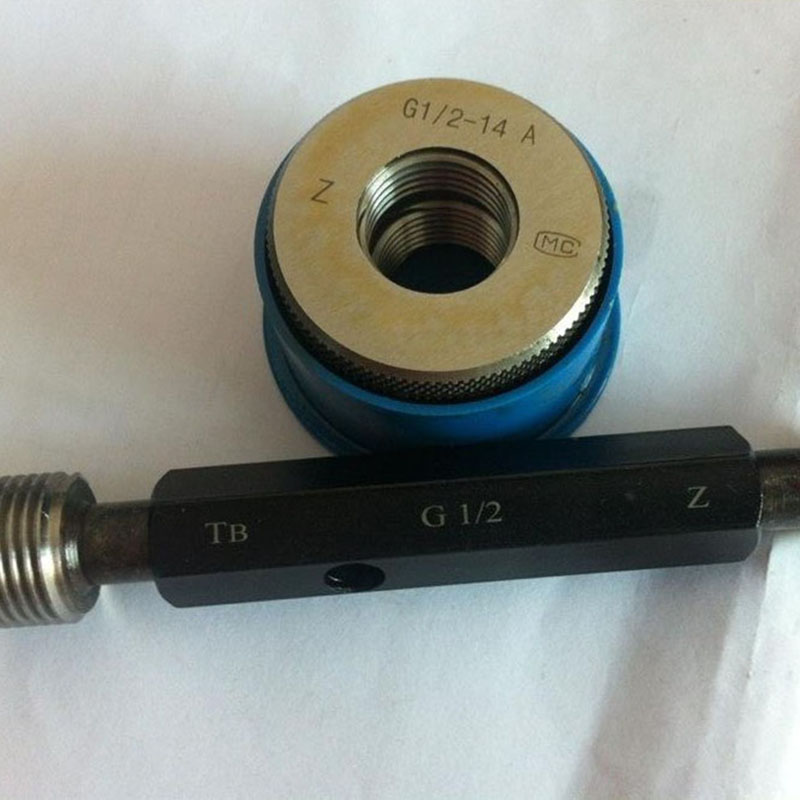
Versatile Clamps for Welding Tables Enhancing Stability and Precision in Metal Fabrication
The Importance of Welding Table Clamps in Metalworking Welding is an essential process in various in
Using Thread Ring Gauge for Precision Measurement and Quality Assurance in Manufacturing
The Importance of a Thread Ring Gauge in Quality Control In the realm of engineering and manufacturi

Using Cast Surfaces for Precision Plate Fabrication and Measurement Techniques
The Importance of Cast Surface Plates in Precision Manufacturing In the realm of precision manufactu
 English